.png)

The Key Differences Between Professional Photographers and Smartphone Enthusiasts

Photography has become more accessible than ever. With smartphones in nearly every pocket, anyone can snap a photo at any moment. This easy access has led many to believe that owning a smartphone automatically makes them a photographer. But what truly separates a professional photographer from a smartphone enthusiast? The answer lies in skills, knowledge, equipment, and mindset. This post explores those differences in detail, helping you understand what makes a photographer stand out beyond just having a camera in hand.
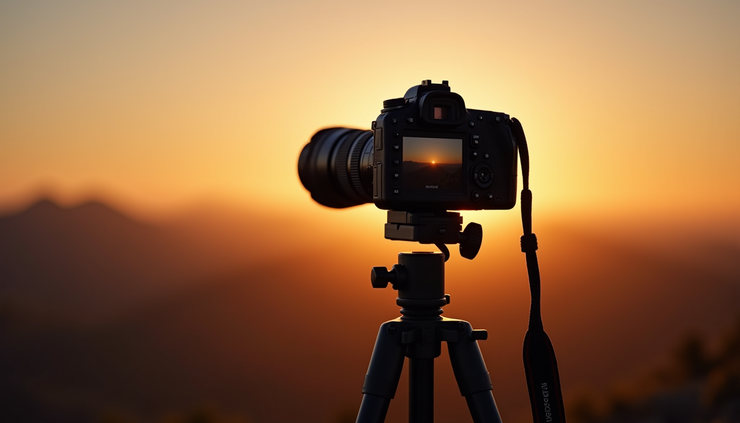
Understanding the Role of a Professional Photographer
Professional photographers do more than just take pictures. They create images that tell stories, evoke emotions, and capture moments with precision and creativity. Their work often involves planning, technical expertise, and artistic vision. Unlike casual smartphone users, professionals approach photography as a craft and a career.
Technical Mastery
Professional photographers understand the technical aspects of photography deeply. This includes:
Exposure control: Adjusting aperture, shutter speed, and ISO to achieve the desired brightness and depth of field.
Focus techniques: Using manual or autofocus methods to ensure sharp images.
Lighting: Manipulating natural and artificial light to enhance the subject.
Composition: Applying rules like the rule of thirds, leading lines, and framing to create balanced and engaging photos.
Smartphone cameras have improved significantly, offering automatic settings that simplify these tasks. However, professionals know how to override automatic modes and fine-tune settings for optimal results in any situation.
Equipment Knowledge and Use
While smartphones have powerful cameras, professional photographers use specialized equipment tailored to their needs:
Cameras: DSLRs or mirrorless cameras with larger sensors capture more detail and perform better in low light.
Lenses: Different lenses allow for varied perspectives, such as wide-angle for landscapes or telephoto for wildlife.
Accessories: Tripods, external flashes, reflectors, and filters help control the environment and enhance image quality.
Professionals understand how to select and use this gear effectively, which is beyond the scope of most smartphone users.
The Artistic Vision Behind Professional Photography
A key difference lies in the creative process. Professionals develop a unique style and vision that guides their work. They think about:
Storytelling: What message or feeling should the photo convey?
Subject selection: Choosing moments or scenes that matter.
Post-processing: Editing images carefully to enhance mood and clarity without overdoing it.
Smartphone enthusiasts often rely on automatic filters and quick edits, which can limit creative expression. Professionals spend time crafting each image to meet their artistic goals.
Experience and Training
Professional photographers usually have years of experience and often formal training. They study:
Photography theory: Understanding light, color, and composition principles.
Practical skills: Hands-on shooting in various conditions.
Business skills: Managing clients, contracts, and marketing.
This experience allows them to handle challenges like difficult lighting, fast-moving subjects, or complex compositions with confidence.
The Mindset of a Professional Photographer
Beyond skills and equipment, mindset plays a crucial role. Professionals approach photography with discipline, patience, and a commitment to quality. They:
Plan shoots carefully: Research locations, prepare gear, and anticipate challenges.
Work with clients: Understand their needs and deliver consistent results.
Keep learning: Stay updated on techniques and trends.
Smartphone users often take photos spontaneously without much planning or follow-up.
Practical Examples Highlighting the Differences
Portrait Photography
A professional portrait photographer will:
Use a high-quality lens to create a pleasing background blur.
Position the subject to catch flattering light.
Direct the subject to achieve natural expressions.
Edit the final image to enhance skin tones and details.
A smartphone enthusiast might rely on the phone’s portrait mode and automatic filters, which can produce decent but less refined results.
Landscape Photography
Professionals:
Scout locations for the best angles and lighting.
Use tripods for stability during long exposures.
Adjust settings manually to capture the full dynamic range.
Edit images to bring out textures and colors authentically.
Smartphone users often shoot quickly without considering lighting or composition deeply.
Why It Matters to Recognize These Differences
Understanding what separates professionals from enthusiasts helps in several ways:
Appreciating quality: Recognize the effort behind stunning images.
Choosing services: Know when to hire a professional for important events.
Improving your skills: Learn what areas to focus on if you want to advance your photography.
Photography is both an art and a science. Professionals blend both to create images that stand out.

Comments